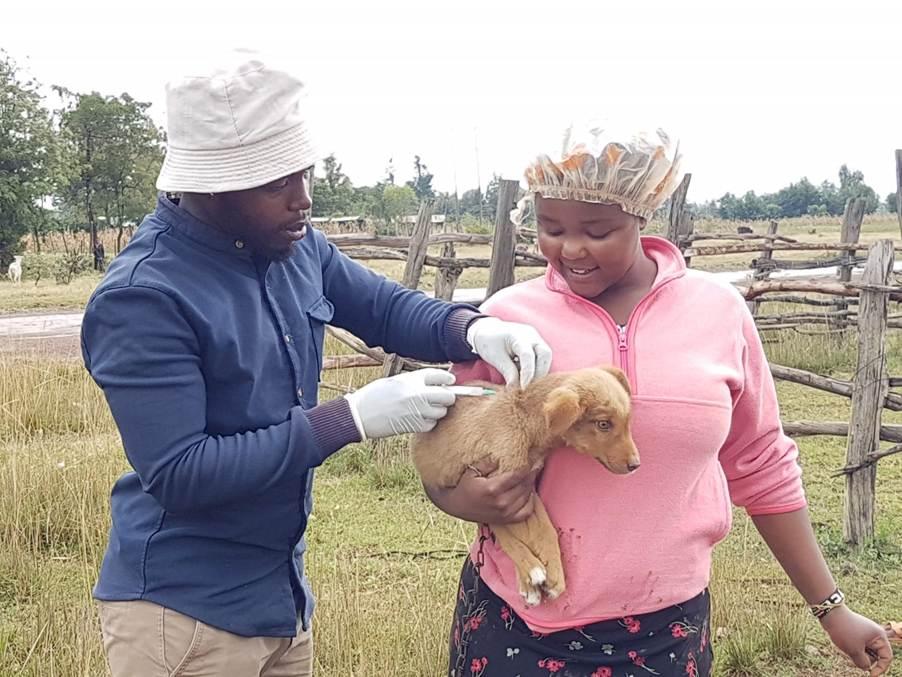
Rabies remains one of the most pressing public health and conservation challenges in northern Kenya. This deadly viral disease affects both humans and wildlife, with domestic dogs serving as the primary vector of transmission to humans and endangered species.
The Challenge
In northern Kenya's pastoral communities, the intersection of human settlements, livestock, and wildlife creates a unique epidemiological landscape. Domestic dogs, often unvaccinated, pose a significant risk of rabies transmission to both human populations and endangered wildlife species such as the African wild dog and Ethiopian wolf.
The disease is almost always fatal once clinical symptoms appear, making prevention through vaccination the most effective strategy. However, limited veterinary infrastructure, vast geographical areas, and cultural barriers have historically hindered comprehensive rabies control efforts.
A One Health Approach
Vetinwild, in partnership with local conservation organizations, county governments, and community leaders, has launched an ambitious rabies prevention campaign grounded in the One Health framework. This approach recognizes that human health, animal health, and environmental health are fundamentally interconnected.
The campaign has three primary objectives:
- Mass Dog Vaccination: Achieving at least 70% vaccination coverage in target communities to establish herd immunity
- Community Education: Training community members to recognize rabies symptoms and understand prevention methods
- Wildlife Protection: Creating buffer zones around critical wildlife habitats through strategic vaccination programs
Progress and Impact
Since the campaign's inception, Vetinwild and partners have vaccinated over 3,500 dogs across northern Kenya. Community education forums have reached more than 100 households, with local champions emerging to promote responsible pet ownership and timely reporting of suspected rabies cases.
The Animal Care Centre in Nanyuki has been instrumental in providing vaccine cold chain management and technical support. County veterinary departments in Laikipia, Samburu, and Isiolo have integrated the program into their routine disease surveillance systems.
Partnerships for Success
The success of this initiative relies on strong partnerships. Key collaborators include:
- Ewaso Lions - Community engagement and education
- Animal Care Centre, Nanyuki - Vaccine supply and logistics
- County Governments - Policy support and field veterinary officers
- Local Community Champions - Grassroots mobilization and awareness
Looking Forward
While significant progress has been made, sustained effort is required to maintain vaccination coverage and expand to new areas. Vetinwild is committed to building local capacity through training programs for community animal health workers and establishing a robust disease surveillance network.
The ultimate goal is to achieve rabies-free status in northern Kenya, protecting both human lives and endangered wildlife populations. Through continued collaboration and a steadfast commitment to One Health principles, this vision is within reach.
"Rabies control is not just about veterinary medicine - it's about protecting communities, preserving wildlife, and building a healthier future for all." - Dr. Stephen Chege, Vetinwild