In September 2023, Vetinwild's Dr. Stephen Chege responded to an urgent call about an orphaned elephant calf found alone in the Laikipia region. This article documents the rescue operation and the critical veterinary care provided to save the young elephant's life.
The Discovery
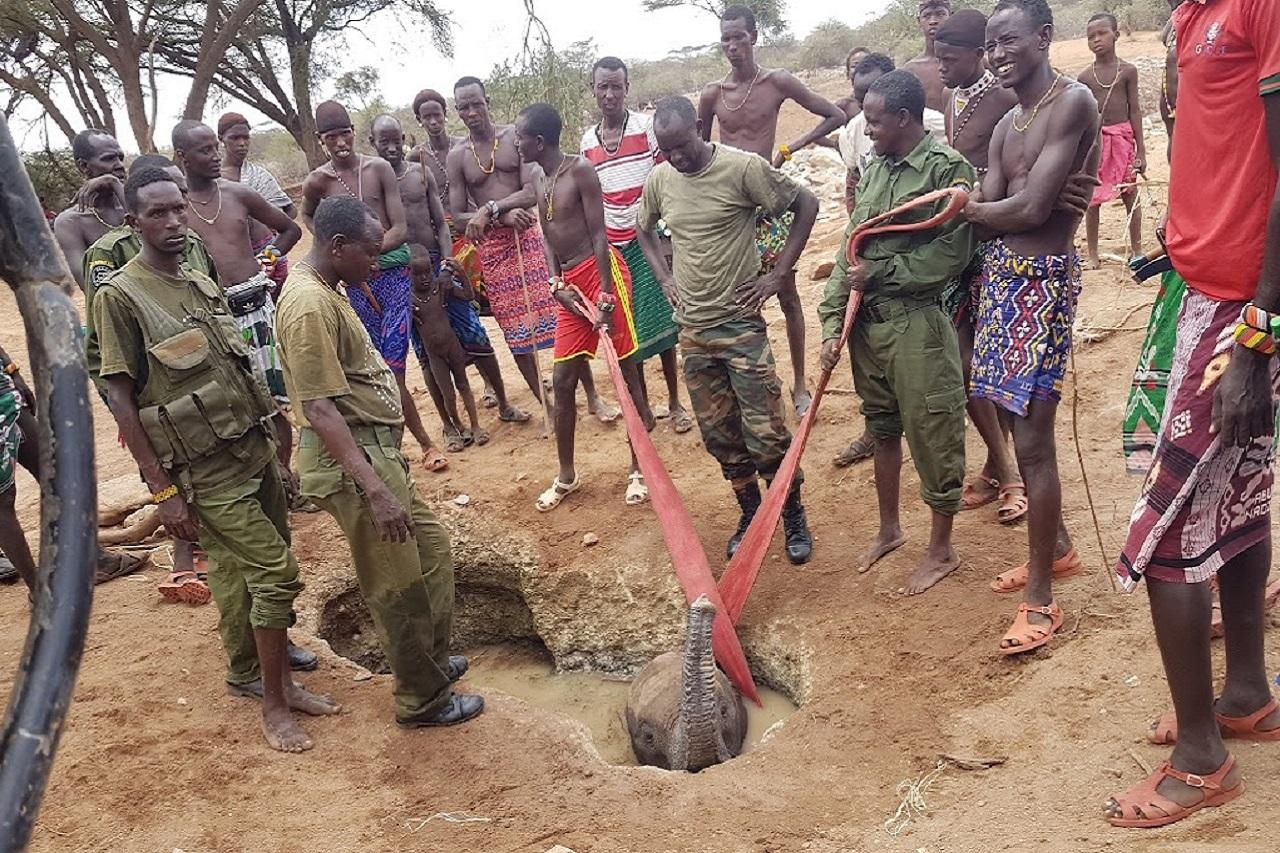
Community rangers patrolling the Mpala Research Centre area discovered a young elephant calf, estimated at 6-8 months old, standing alone near a waterhole. The calf showed signs of dehydration and distress, repeatedly calling for its family group.
Initial observations conducted over several hours confirmed that the calf was truly orphaned, with no adult elephants responding to its calls. The decision was made to intervene - a critical choice, as leaving the calf would result in certain death from predation, starvation, or dehydration.
Rescue Protocol
Dr. Chege arrived with a team including:
- Kenya Wildlife Service veterinarians
- Mpala Research Centre rangers
- Elephant orphanage transport team
- Local community members providing security and assistance
Step 1: Approach and Assessment
The team approached carefully, minimizing stress to the already traumatized calf. A visual health assessment indicated moderate dehydration, superficial wounds from thornbush, and extreme psychological distress.
Step 2: Chemical Restraint
Due to the calf's size and stress level, light chemical restraint was necessary for safe handling. Dr. Chege used a combination of low-dose etorphine and azaperone, administered via hand-held dart. Vital signs were monitored continuously throughout the procedure.
Step 3: Medical Examination
Once safely restrained, a thorough examination revealed:
- 7% dehydration based on clinical signs
- Multiple superficial abrasions
- Mild hyperthermia from sun exposure
- No fractures or internal injuries
Step 4: Initial Treatment
Immediate medical interventions included:
- Intravenous fluid therapy - 10 liters of Ringer's lactate solution
- Wound cleaning and topical antibiotic application
- Injectable broad-spectrum antibiotics
- Anti-inflammatory medication
- Vitamin supplementation
Step 5: Transport Preparation
The calf was carefully loaded into a specially designed transport crate, padded to prevent injury during the journey to the David Sheldrick Wildlife Trust elephant orphanage in Nairobi.
Post-Rescue Care
Upon arrival at the orphanage, the calf (later named Mpala) received continued intensive care:
- Specialized milk formula every 3 hours
- Continued rehydration therapy
- Introduction to other orphaned elephants for psychological support
- Daily health monitoring by experienced keepers
Lessons Learned
This rescue operation highlighted several important considerations for elephant calf rescue:
- Timing is Critical: Early intervention improves survival outcomes dramatically
- Team Coordination: Successful rescues require seamless cooperation among multiple organizations
- Minimizing Stress: Every effort must be made to reduce psychological trauma during capture and transport
- Long-term Commitment: Orphaned elephants require years of care before potential reintroduction
Update: Mpala's Progress
Mpala has thrived under the care of the David Sheldrick Wildlife Trust. She has formed strong bonds with other orphans and her keepers, showing normal developmental behaviors. Her prognosis for eventual reintroduction to a wild elephant herd is excellent.
This successful rescue demonstrates the importance of rapid response capabilities, skilled veterinary care, and the dedicated infrastructure for elephant conservation that exists in Kenya.